
Why Attached Pergolas Feel Like Part of the Home
Attached pergolas work the way they do because the connection to the home isn’t just physical — it’s visual. When the roofline continues outward, and the pitch and materials carry over from the existing structure, the eye reads the whole thing as one building rather than a house with something bolted on. That’s a harder result to achieve than it sounds, and it’s what separates a well-designed attached pergola from one that looks like an afterthought.
The other factor is how the space is accessed. An attached pergola typically sits directly off the kitchen, dining room, or living area — which means moving between inside and outside becomes effortless. No walking across the yard. No separate structure to navigate to. Just a natural extension of the floor plan that draws the family outside without anyone having to make a decision.
That ease of access, combined with the visual integration into the home’s existing architecture, is why attached pergolas consistently become the most used space on the property once they’re built.

Custom Attached Pergola Designs for Newcastle Home Styles
Newcastle’s housing stock is genuinely varied — and the right attached pergola design reads differently depending on what it’s connecting to. Brick veneer homes from the 1980s and 90s suit pergola frames with clean lines and Colorbond roofing that picks up the existing roof colour, keeping the overall look cohesive rather than mismatched. Weatherboard and older character homes in suburbs like Merewether, Hamilton, and Adamstown respond well to timber framing — the grain and warmth of the material ties naturally into the existing fascia and joinery without the junction looking forced.
Contemporary homes and split-level builds — increasingly common across Fletcher, Elermore Vale, and the newer pockets of the Hunter — suit aluminium framing and clean architectural lines, where the pergola becomes a deliberate design feature rather than a practical fix.
Whatever the home style, the goal is the same — a finished result that looks like it was always there.
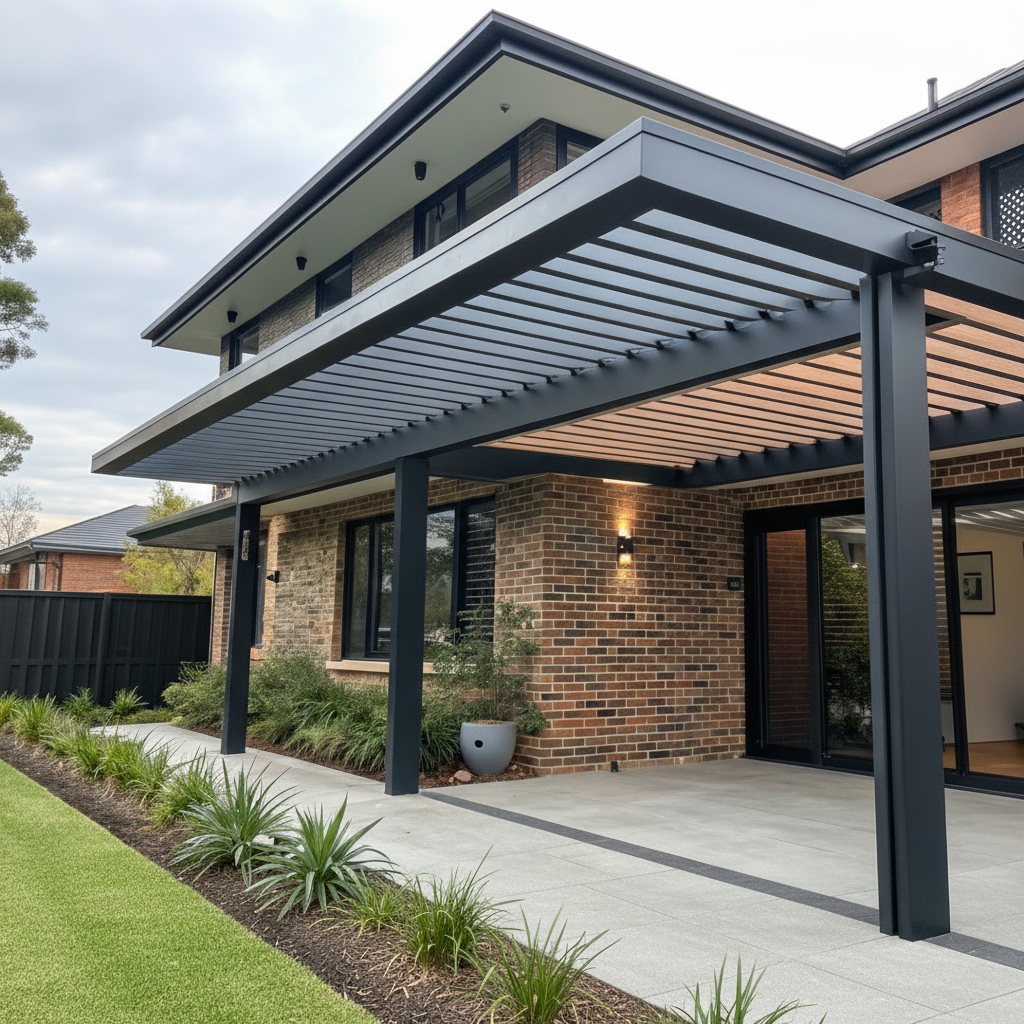
The Connection Point — Where Design Meets Structural Integrity
The junction between an attached pergola and the existing home is the most technically demanding part of the entire build. Everything else — the frame, the roofing, the footings — follows a relatively straightforward process. The connection point is where experience separates a quality result from a problem waiting to happen.
When a new structure ties into an existing roofline or fascia, several things need to be resolved correctly from the outset:
- The ledger board or wall plate must be fixed to structural members, not just cladding or fascia timber
- Flashing must be installed correctly to direct water away from the junction and prevent moisture tracking behind the existing wall.
- The load path needs to be considered — the new structure transfers wind and dead load back into the home, and the connection point has to handle that transfer without movement or flex over time.
These aren’t details that can be patched after the fact. A connection that moves, leaks, or pulls away from the home creates damage that goes well beyond the pergola itself.
Getting this junction right is what we focus on first — because everything else builds from it.
Roofline Matching, Pitch and Natural Light
The pitch of your attached pergola roof does more work than most homeowners expect. Get it right, and the new structure reads as a natural continuation of the home. Get it wrong, and the junction looks awkward — a visible reminder that something was added rather than designed in.
Matching the pitch to your existing roofline is the starting point, but it’s not always a straight copy. A roof that mirrors the main pitch exactly can sometimes reduce the ceiling height of the covered space to the point where it feels cramped. A shallower pitch opens the space up and improves usability, but it needs to be managed carefully to maintain adequate drainage away from the junction.
Pitch also directly affects how much natural light reaches your interior rooms. A lower, longer roof plane can shade windows and darken living areas that previously received good afternoon light — something we assess carefully during the design phase before a single post goes in.
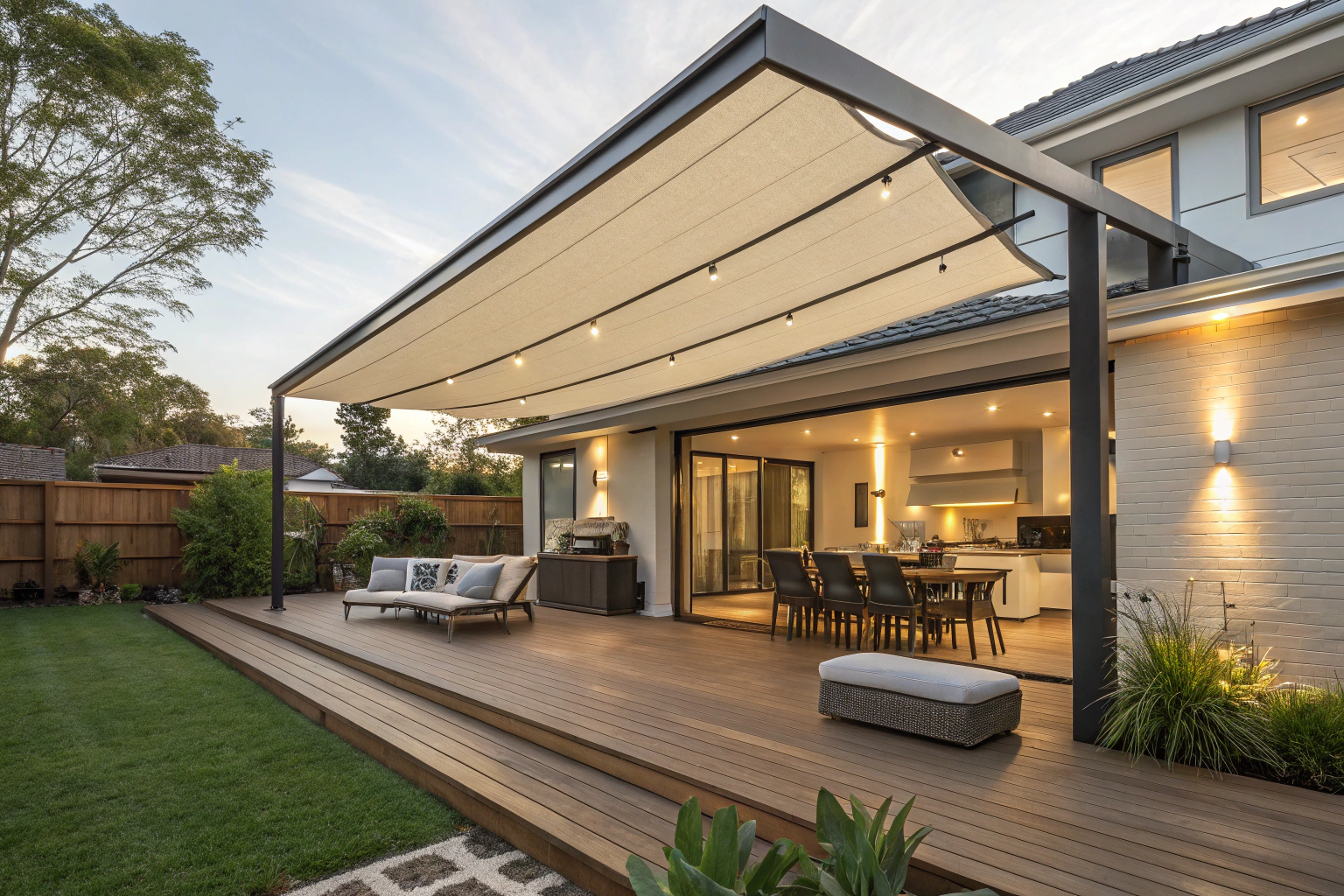
Roofing Options That Work With Attached Pergola Frames
Insulated Panel Roofing
Insulated panel roofing is the most popular choice for attached pergolas across Newcastle and it’s easy to see why. The panels deliver genuine thermal performance — keeping the space cooler in summer and warmer through winter — which turns the covered area into a year-round living zone rather than a seasonal one. The solid roof also provides full weather protection, making the space usable during light rain without any compromise to comfort.
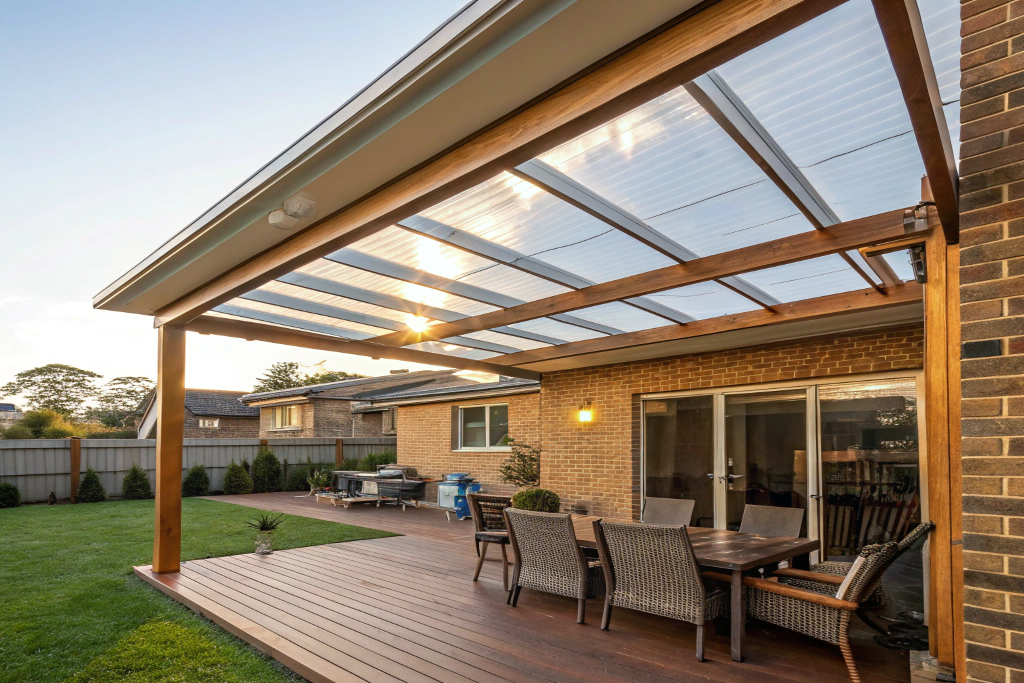
Polycarbonate Sheeting
Polycarbonate sheeting suits homeowners who want natural light to remain a feature of the covered space. It’s a practical choice where the pergola sits adjacent to a window or door that would otherwise lose its outlook under a solid roof. Modern multiwall polycarbonate provides reasonable heat diffusion compared to single-skin options, though it won’t match insulated panels for thermal performance. Best suited to east or south-facing aspects where direct summer sun isn’t a constant factor.
Open Beam Configuration
An open beam pergola delivers shade, structure, and visual definition without a full roof overhead. It’s the most traditional pergola aesthetic — the kind of look that suits heritage homes and garden-focused outdoor spaces particularly well. Climbing plants, shade cloth, or timber battens can be added over time to increase coverage as needed, giving homeowners flexibility to evolve the space without committing to a full roofing system from day one.
Weatherproofing and Water Management at the Junction
Water management at the junction between an attached pergola and the existing home is non-negotiable. This is the point where most problems originate on poorly built structures — and in Newcastle’s climate, where summer storms can deliver heavy rainfall in short bursts, a compromised junction doesn’t stay dry for long.
The key elements we address at every attached pergola connection:
- Step flashing and cover flashing were installed correctly over the ledger board to direct water away from the wall cavity
- Sealants and weatherproofing membranes are applied at all penetration points where fixings pass through the existing cladding or fascia
- Adequate fall is built into the pergola roof to move water away from the junction and into the guttering rather than pooling at the connection point
A well-weatherproofed junction is invisible once the build is complete — you never think about it again. A poorly done one announces itself the first time it rains.
Attached Pergola vs Freestanding Pergola — Knowing the Difference
| Attached Pergola | Freestanding Pergola |
|---|---|
| An attached pergola connects directly to the home’s roofline, fascia, or external wall. Accessed from the kitchen or living area, the covered space makes inside-outside movement seamless — a natural extension of the floor plan rather than an add-on. | A freestanding pergola stands independently in the yard — no connection to the home. Placement is flexible, over a pool, a garden, or wherever the yard allows. The trade-off is a space that feels more separate, which changes how naturally and often the family uses it. |
| Attached pergolas are the more demanding build. The connection requires careful structural tie-in, correct flashing, and weatherproofing at the junction. Done right, the structure benefits from the existing wall for support — reducing post count and opening up significant usable space beneath. | A freestanding pergola is structurally self-contained — no junction to waterproof, no existing roofline to match. The practical choice where a home’s layout complicates an attached build, or where the homeowner simply wants the covered space positioned in a specific part of the yard. |
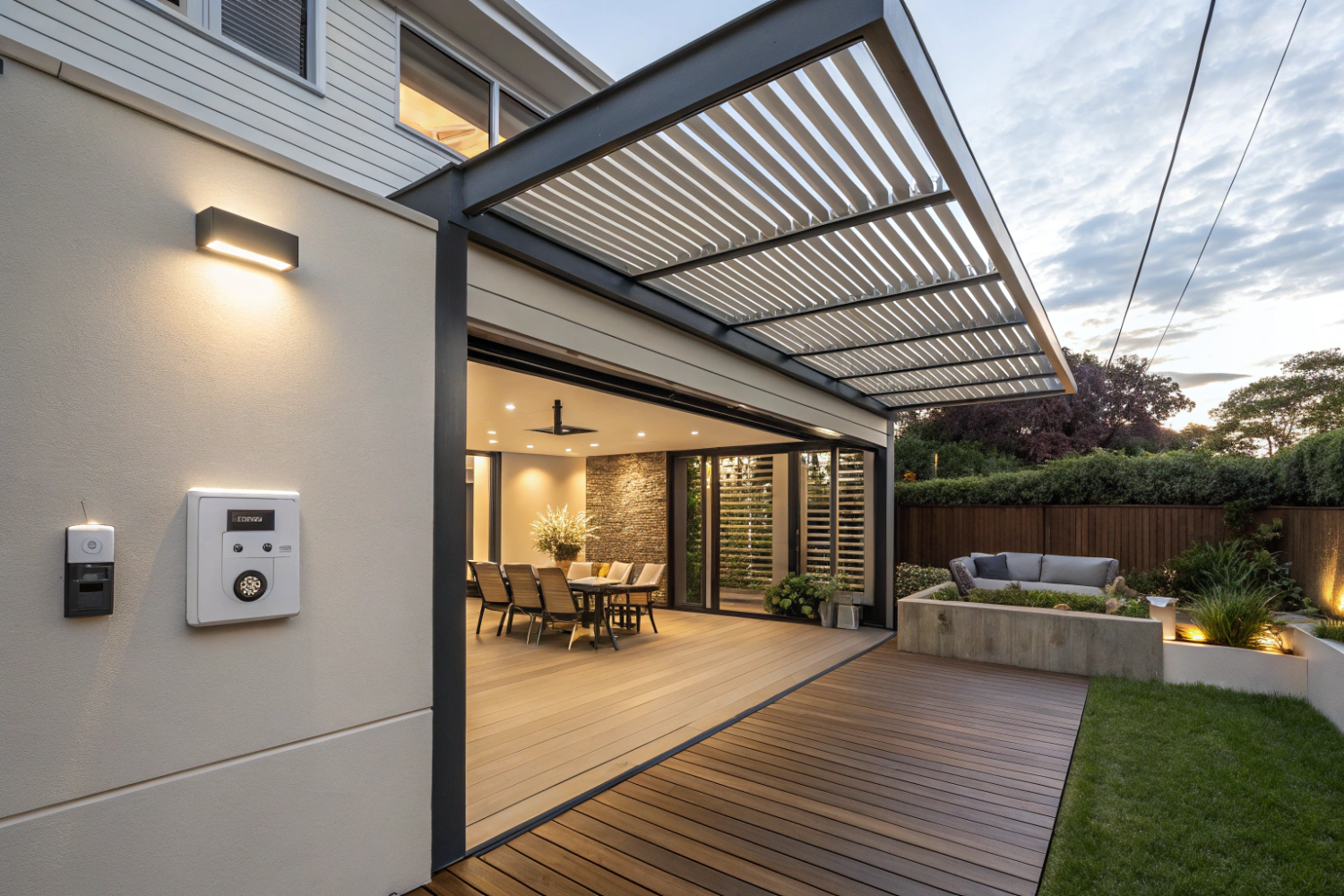
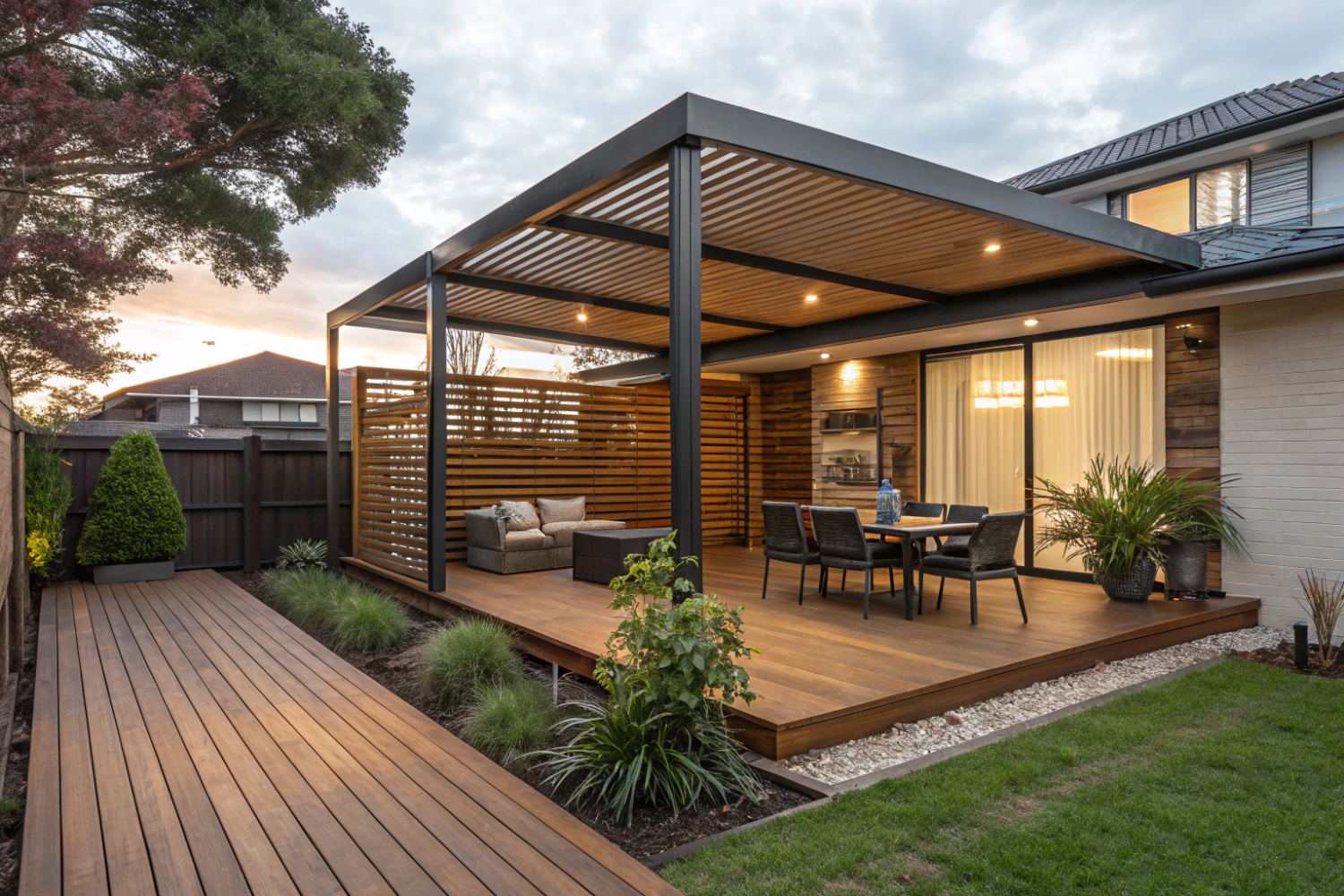
Attached Pergola Ideas — Inspiration for Newcastle Outdoor Living
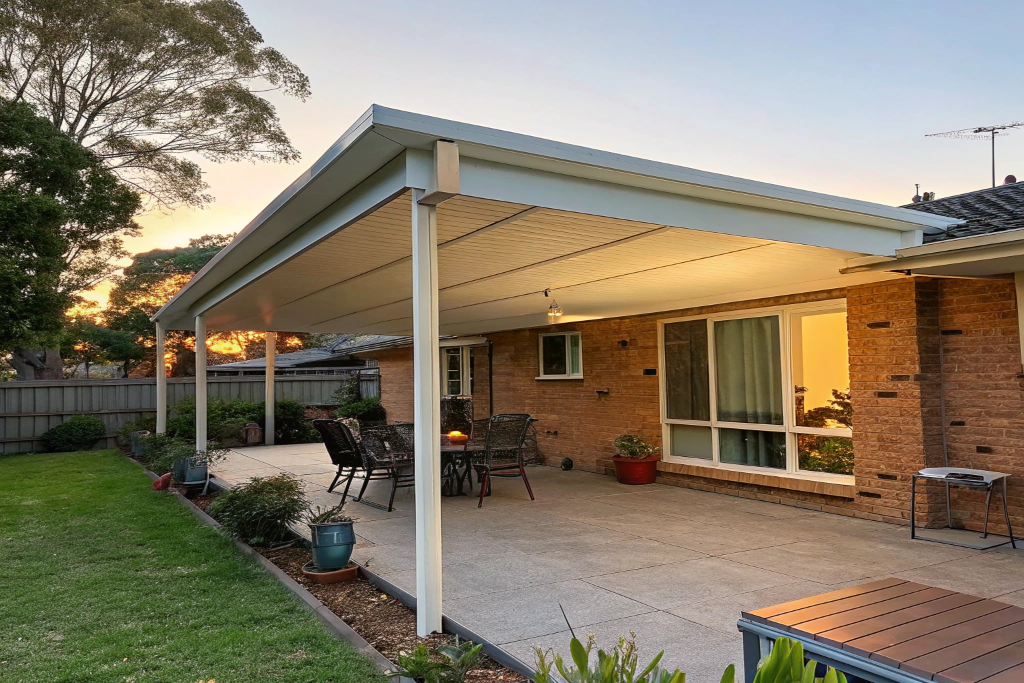
The best attached pergolas aren’t just functional — they’re genuinely enjoyable spaces that get used every day.
Frequently Asked Questions — Attached Pergolas Newcastle
Most attached pergolas in Newcastle qualify as complying development, meaning no full DA is required. Size, height, and setback from boundaries determine eligibility. We assess this during the site consultation and handle the paperwork where approval is needed.
Most residential attached pergola builds across Newcastle take between three and seven days on site, depending on size, roofing type, and complexity of the connection to the home. We confirm a realistic timeframe during the quoting stage.
Insulated panel roofing is the most popular choice for year-round comfort and full weather protection. Polycarbonate suits spaces where natural light is a priority. Open beam configurations suit traditional aesthetics. The right choice depends on aspect, use, and budget.
It can, depending on pitch, depth, and which windows sit beneath the new roofline. We assess interior light impact during the design phase and adjust the pitch or setback to minimise any reduction to existing rooms.
Timber, aluminium, and steel are all available. Timber suits heritage and traditional homes. Aluminium delivers low-maintenance longevity in Newcastle’s coastal conditions. Steel suits larger spans or heavier roofing loads where greater structural capacity is needed.
Get a Free On-Site Quote for Your Attached Pergola Newcastle
An attached pergola is one of the most valuable additions you can make to a Newcastle home — but it’s also a build that directly affects your home’s structure, roofline, and long-term weatherproofing. Getting it right from the start matters.
We work with homeowners across Newcastle, the Hunter Valley, Lake Macquarie, and the broader Hunter Region, delivering attached pergola builds that integrate cleanly into the existing home and stand up to everything the local climate throws at them.
Get in touch today for a free on-site consultation and quote. We’ll assess your space, talk through your design options, and give you a clear, itemised quote with no vague pricing and no pressure. Just honest advice from a local team that builds attached pergolas every week across this region.
Call us today or fill out the quote form and we’ll be in touch within one business day.