
Deck Repairs That Bring Newcastle Decks Back to Life
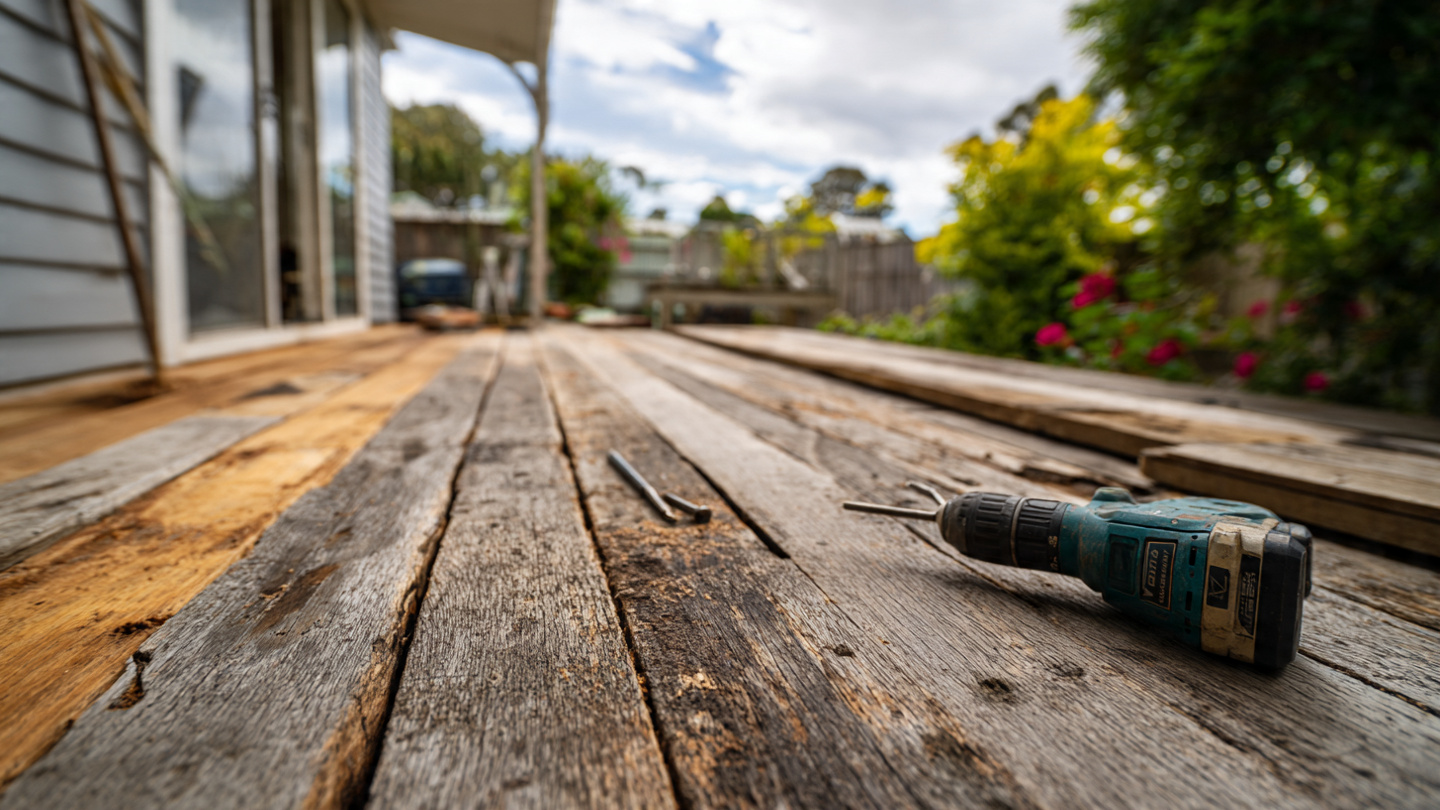
A lot of Newcastle homeowners don’t notice how much work the climate is doing on their deck until they step on a board that flexes wrong, or spot a fixing that’s pushed up through the surface and rusted black. That’s when it registers — the coastal humidity, the summer UV, the wet winters — it all adds up, and timber that hasn’t been looked after properly starts to show it. Boards split and cup. Subframe timbers rot at the joints. What looked like a cosmetic issue six months ago is now a structural one.
Here’s the thing though — most decks that look tired or feel questionable don’t need to be pulled down and rebuilt. In the majority of cases, targeted repairs and proper restoration work will bring a deck back to full structural integrity and a finish worth being proud of, at a fraction of the cost of a new build. We’re Newcastle’s local specialist in deck repairs and restoration across timber and composite systems.

Common Deck Repair Issues We Fix Across Newcastle
Newcastle decks take a beating from salt air, UV, and seasonal moisture cycles. The repair work we do most falls into a handful of clear categories — and catching these early almost always costs less than waiting.
Structural Assessment Before Any Work Begins
Before a single board gets pulled or a quote gets signed off, we conduct a thorough assessment of the deck’s structural condition — not just what’s visible on the surface, but what’s happening in the subframe beneath it.
This matters more than most homeowners initially expect. Surface repairs on a structurally compromised deck are a short-term fix that doesn’t solve the underlying problem. A homeowner who invests in new decking boards without knowing the joists beneath them are failing is spending money in the wrong place.
We identify and communicate the full scope of what needs attention before any work begins — no surprises mid-project, no conversations about additional costs once the job is underway.
Deck Restoration — Surface Work That Makes a Real Difference
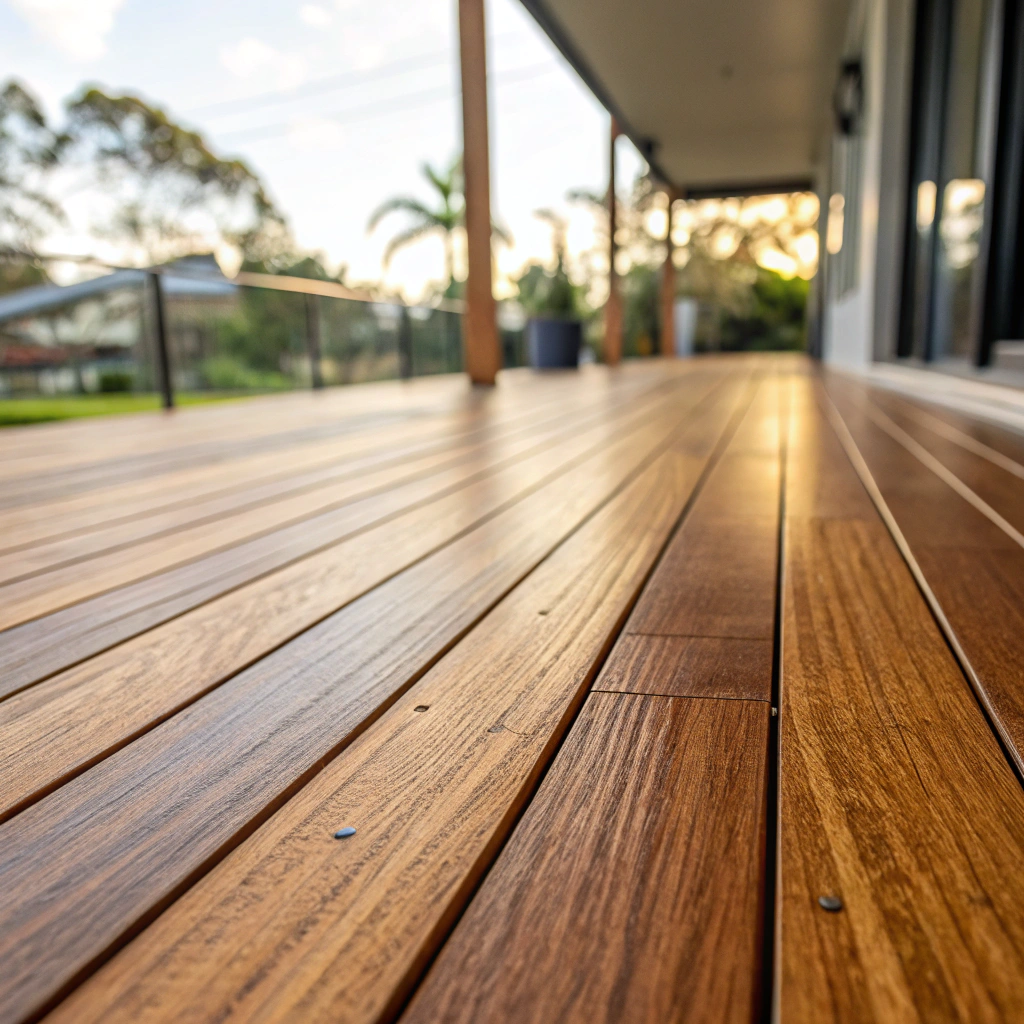
Once the structural side of a deck is confirmed or repaired, the appearance can often be improved dramatically through proper restoration work. Weathered and greyed timber that looks past saving frequently responds well to being sanded back — exposing fresh, clean wood beneath — before being finished with oil, stain, or sealant to restore colour and surface protection.
There’s a difference between a deck that has weathered normally and one that has been genuinely neglected. Normal weathering — the greying and surface oxidation that happens to any unprotected timber outdoors — responds well to sanding and oiling. A deck with ingrained dirt, surface mould, or years of built-up grime needs more intensive preparation before any finish goes down, and we’re upfront about what that preparation involves and what it costs.
Composite Board Replacement
Matching composite boards in older installations can be genuinely difficult. Products get discontinued, colour ranges change, and a board installed eight years ago may no longer be available from the original manufacturer. We work through this systematically — identifying the existing product where possible, sourcing the closest current match where the original isn’t available, and being upfront with homeowners about what the replacement will and won’t look like.
Composite Subframe Repairs
The subframe beneath a composite deck requires exactly the same structural attention as any timber installation. Bearer deterioration, joist rot at connection points, and failing footing connections are just as common under composite decking as under hardwood — and composite’s longer surface lifespan sometimes means subframe issues go unnoticed longer. We assess the full frame as part of any composite repair job, not just the boards showing visible damage.
Repair vs. Full Replacement — An Honest Assessment
The extent of subframe deterioration is the biggest one. A deck with a sound, well-constructed frame can often be repaired and restored cost-effectively even if the surface boards are in poor shape. A deck where the joists and bearers have deteriorated significantly is a different conversation — at some point, the cost of comprehensive structural repairs approaches the cost of a new build, and in that situation a rebuild often makes more sense.
The homeowner’s plans for the property factor in as well. Someone planning to sell in twelve months has different priorities to someone who intends to stay in the home for twenty years.
We give honest advice on this question — not advice shaped by whichever option generates more work. If a repair is the right call, we’ll quote the repair. If a full replacement is genuinely the better investment, we’ll tell you that clearly and connect you through to our timber decking installation and composite decking installation services so you can explore what a new build would involve.


FAQs About Deck Repairs & Restoration in Newcastle
How long does a deck repair job typically take in Newcastle?
Most standard repair jobs — board replacements, fixing repairs, balustrade work — are completed within one to three days depending on the scope. Larger jobs involving significant subframe repairs will take longer, and I’ll give you a realistic timeline when I assess the deck in person. I won’t rush a job just to get off-site quickly, because shortcuts on structural repairs show up fast in Newcastle’s climate.
Do I need council approval for deck repairs in Newcastle?
For like-for-like repairs and restoration work, you generally don’t need council approval — you’re maintaining an existing structure, not building a new one. If the repair scope involves significant structural changes or alterations to the deck’s footprint or height, that’s when approval may come into play, and I’ll flag that during the assessment. Newcastle City Council’s requirements are fairly straightforward once you know what triggers them.
What time of year is best to get deck repairs done in Newcastle?
Honestly, autumn and early winter are ideal — the intense summer UV is gone, humidity drops, and any new timber or finish has better conditions to settle properly before the next summer hits. That said, repairs can be done year-round, and if your deck has a safety issue, waiting for the right season isn’t worth it. The main thing to avoid is applying oil or stain in the middle of a wet week, which affects how the finish cures.
How do I know if my deck is actually unsafe to use right now?
If boards are visibly rotted through, if the deck moves or bounces when you walk on it, or if any posts or balustrades feel loose when you push against them, stop using it until it’s been assessed — those are signs the structure is compromised. Surface-level issues like greying, minor cracking, or flaking finish don’t make a deck unsafe, just ugly. When in doubt, get someone out to look at it — a quick inspection costs nothing and gives you a clear answer.
Can salt air damage really make that much difference to a Newcastle deck?
Absolutely — and homeowners closer to the coast in Merewether, Bar Beach, and Newcastle East see it faster than those further inland. Salt air accelerates corrosion on fixings and fasteners significantly, and once a fixing starts to corrode and work loose, water gets into the timber connection point and rot follows quickly. Specifying stainless steel fixings from the start — or replacing corroded ones as part of a repair — makes a measurable difference to how long the repair holds up.
My deck was built by the previous owner and I have no idea how old it is — does that cause problems?
It’s actually pretty common, especially in Newcastle’s older housing stock where decks have sometimes been added without documentation. I’ll assess the timber species, fixing type, and subframe construction on-site and give you a clear picture of what you’re dealing with. Not knowing the history doesn’t prevent a good repair — it just means the assessment is the first step before anything else gets decided.
Get a Free On-Site Assessment Across Newcastle & the Hunter Region
If your deck is showing signs of age, damage, or structural concern, the worst thing you can do is leave it while the problem develops further. Moisture doesn’t pause, and a loose fixing that’s allowing water into a joist connection this winter will have done considerably more damage by next winter.
We work across Newcastle and the Hunter Region — from Merewether and Bar Beach through to Charlestown, Warners Bay, Wallsend, and the wider Hunter suburbs — and we offer free on-site inspections and quotes. You’ll get a clear picture of exactly what your deck needs before you commit to anything.
Get in touch today to book your free assessment.